
Gloom, Doom, and Domes
or VSOP (Virtue Signalers on Parade)

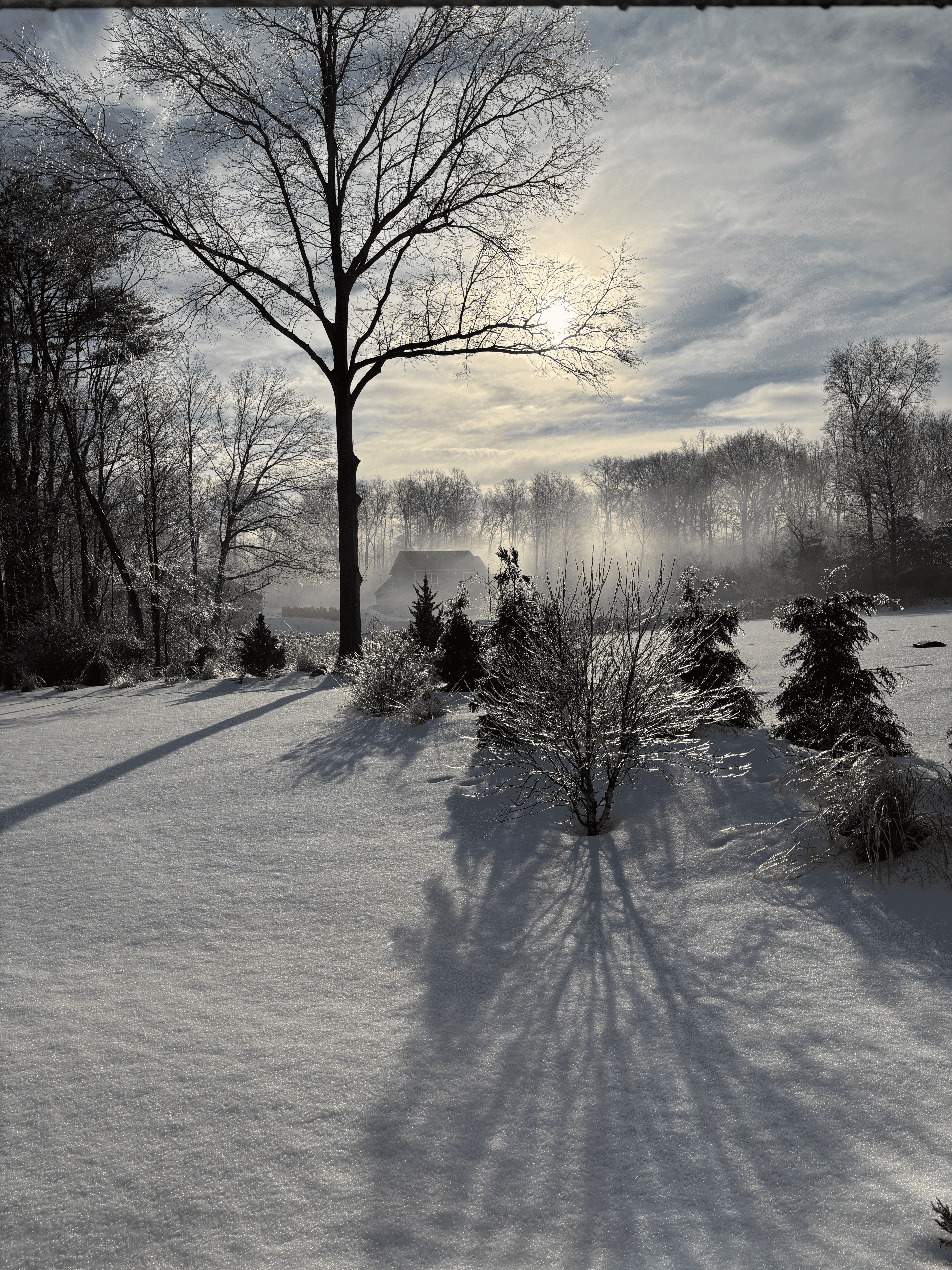
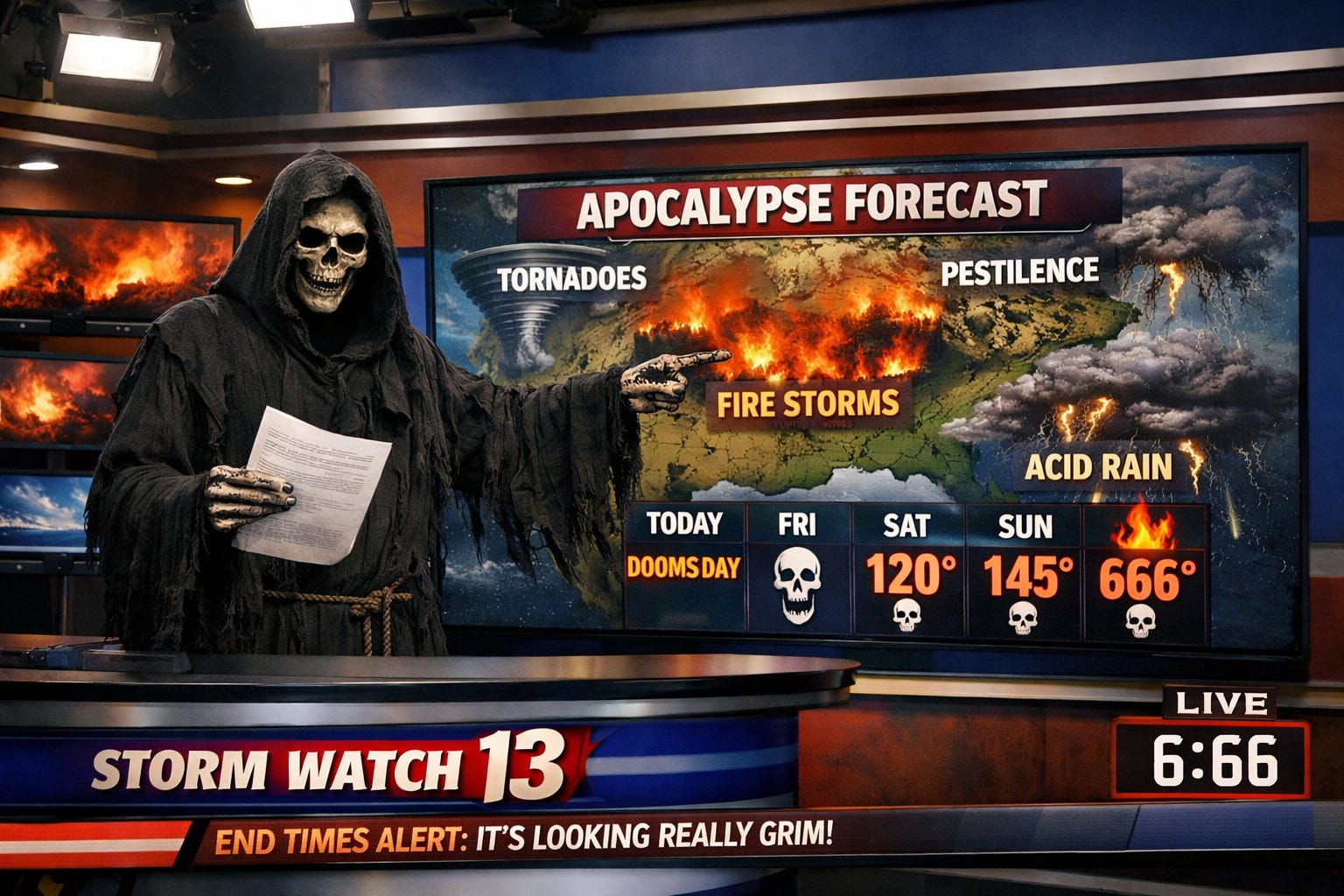
I know it’s still early in the year. But if you haven’t had enough global warming climate change, bomb cyclones, ice storms, lake effect storms, snow squalls, Nor’easters, thundersnow — or, given the changing of the seasons — heat waves, warm fronts, hot spells, thermobombs, dog days, scorchers, or swelters — The Washington Post would like you to know your patience is about to be rewarded.
That’s right. According to the Post, “A record heat dome is about to hit the West — in March”. Here’s the scoop:
A record-breaking heat dome will develop near the West Coast late this week, smashing records and sending temperatures into the triple digits through next week … The pattern is occurring as a marine heat wave builds offshore, an expansive area of well-above-average sea temperatures that is likely to expand as summerlike warmth arrives and intensifies … excessive heat can affect those who are sensitive to it, those without cooling and/or hydration and some health systems and industries.
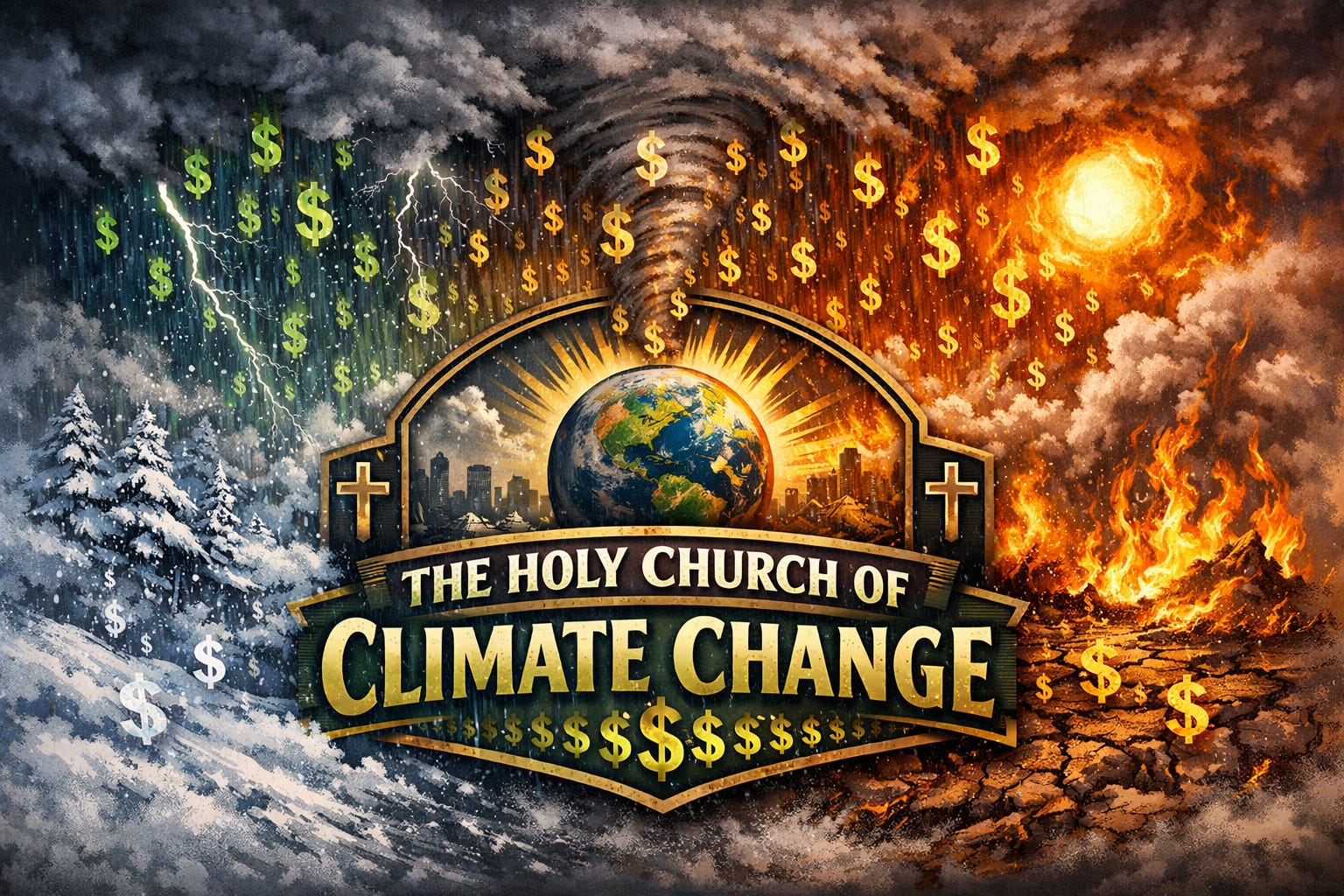
Excessive heat and other climate conditions can also affect members of The Holy Church of Climate Change catastrophically and apocalyptically, especially if they haven’t killed us all by next week. That prognostic organization certainly didn’t corner the market on doomsday predictions. But they’ve done a heck of a job of carrying the torch; although, it’s a miracle the damn thing hasn’t burned out yet.
While it isn’t necessary to trace the entire history of the things that have been predicted to kill us all for our entire history, a few things stand out, particularly when it comes to bugaboos related to global warming climate change. For example, it’s fair to say Paul Ehrlich didn’t do the first world any favors when he published The Population Bomb in 1968 and kicked off the panic.
The first Earth Day followed in 1970, by which time civilization was projected to be ending within 15 to 30 years (1985–2000). Because we were still around, the IPCC was founded in 1988 to sow the seeds of alarmism. The Breakthrough National Centre for Climate Restoration, an Australian think tank (?!), published a study in 1999 that said civilization would collapse or become unsustainable by 2050. Then fast forward to 2006 when Al Gore figured out he could cause more trouble, even after having been Vice President for eight years, by releasing An Inconvenient Truth. He snookered the Academy of Motion Picture Arts and Sciences, the Recording Academy of the United States, the Nobel Foundation, and most of the rest of the first world.
Author’s Note: I’ve specified the first world twice now because most of the rest of the world is preoccupied with more mundane and considerably less luxurious things like eating, not freezing, and surviving in a more general and pedestrian sense.
Hard Wired
If you ever wonder why people get so deeply invested in apocalyptic visions like climate change, don’t. They’re simply part of our nature. We believe in that shit for the same reason we think there are monsters under our beds when we’re kids, for the same reason we’re afraid to go in basements in the dark, for the same reason we’re terrified when we hear speeches by Chuck Schumer, Maxine Waters, or Adam Schiff.
All those things make existential uncertainty feel predictable and manageable. Of course there are monsters under our beds, boogeymen in dark basements, and horror in the words of Democrat lunatics. The certainty of an impending apocalypse — total extinction, civilizational collapse, or a Democrat majority — turns diffuse, long-term anxiety into a clear narrative with a beginning, middle, and end. Psychologically, that certainty, even if it’s cataclysmic fantasy, reduces the terror of unpredictable mortality or chaos. Studies on fear responses show predictable threats (even awful ones) allow people to relax somewhat compared to unpredictable ones. We take comfort in believing we know how stories end, even if we’ll all be killed or ruled by Democrats.
Apocalyptic framing also lets us create comforting good-vs-evil storylines. Good people who believe others are irresponsible fossil-fuel burners — and see corporations as greedy, profit-hoarding, indiscriminate polluters — know who the real villains are. They also believe Democrats who are on the right side of the history they neither study nor acknowledge will save the planet by fabricating all the Utopian nonsense they can while pocketing the wealth they redistribute in their own direction. That’s what gives life meaning, identity, and urgency. For the pathologically gullible, it also provides a heroic role in a grand cosmic drama.
People who don’t have their own houses in order should be very careful before they go about reorganizing the world … People have things within their personal purviews that are more difficult to deal with and they’re avoiding … the way they avoid them is by adopting pseudo-moralistic stances on large-scale social issues so they look good to their friends and their neighbors. (Jordan Peterson)
Because apocalyptic thinking is deeply embedded in Western traditions — think religious end-times prophecies, millenarian movements, all manner of crackpot cults — climate-cataclysm (or catechism) narratives borrow from that thinking. People who see humans as causing climate change support aggressive action, regardless of the nature of the action. On the other hand, those who accept a changing climate as the product of a dynamic planetary environment are more likely to prefer peace to panic.
Fanaticism consists of redoubling your efforts when you have forgotten your aim. (George Santayana)
It’s obvious enough that emotional expressions that arouse fear, outrage, and dread are powerful sources of short-term motivation — tipping point! existential threat! point of no return! — and long-term rationalization — elect (or re-elect) me or [fill in existential calamity here] — that grab attention in noisy environments. Apocalyptic rhetoric spreads virally because it feels important. And with social amplification — echo chambers, mainstream media, alarming headlines, activist framing, the Democrat Party, et al. — apocalyptic nonsense morphs into quasi-religious doomsday scenarios and corresponding hysteria.
Let’s Just Say It
And we can be flat-footed about one final point: Aside from the fact that members of The Holy Church of Climate Change are shameless virtue signalers, the rest of us are inclined to eat up this apocalyptic shit because we like it. It’s fun. It’s why we go to horror movies. It’s why we sky dive. It’s why we chase tornadoes. It’s why we play extreme sports and ride roller coasters. It’s why we elect Democrats. We do it because we get off on the rush of flirting with disaster.
In that light, Chuck Mangione’s timeless tune could have been the theme for climate change.